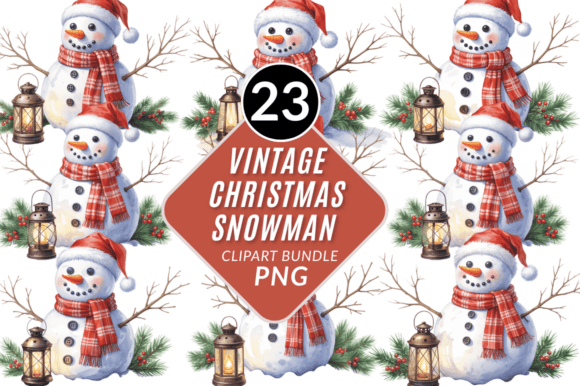
Vintage Snowman Clipart: Illustrations Review
When a client approaches me with a request for a holiday campaign that feels "nostalgic but not kitschy," I immediately start scanning my library for assets that carry genuine character. Recently, I pulled the Vintage Christmas Snowman Clipart Png into a mockup for a boutique candle brand launching their winter collection. My goal was to determine if this specific asset could hold its own in a professional branding context or if it would feel like generic stock art. After testing it across various mediums—from packaging labels to social media graphics—I have formed a clear opinion on its utility for real-world design projects.
First Impressions and Visual Mood
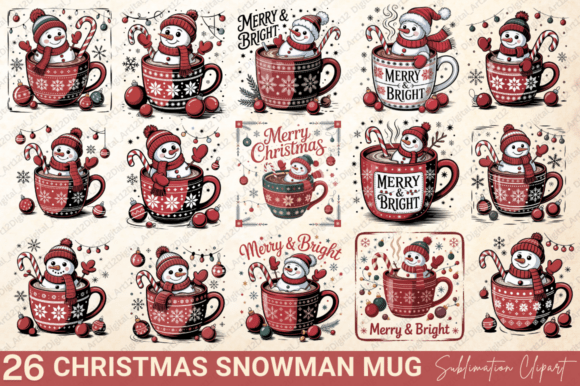
The immediate appeal of this Vintage Christmas Snowman Clipart Png lies in its textured, hand-drawn aesthetic. Unlike the flat, vector-heavy illustrations that dominate many modern digital marketplaces, this piece embraces imperfection. The lines are slightly irregular, mimicking the look of ink on aged paper, which instantly creates a sense of warmth and tradition. For designers working with handmade businesses or small business branding, this visual language is crucial. It signals authenticity rather than mass production.
The color palette, typically muted with soft grays, deep greens, or faded reds depending on the variation, supports a sophisticated editorial design approach. It does not scream for attention with neon brightness; instead, it invites the viewer in. This makes it an excellent choice for brands that want to evoke emotional appeal and visual trust without relying on loud, aggressive marketing visuals.
Performance in Real Client Projects
In practical application, I tested this graphic design asset across several common deliverables. For packaging design, specifically on matte-finish boxes, the PNG transparency allowed for seamless integration over kraft paper textures. The snowman acted as a decorative accent that balanced the typography without overwhelming the product name. When used in logo design or brand identity systems, it worked best as a secondary element rather than the primary mark, adding seasonal flair to an existing structure.
For digital sellers and Etsy product creators, this illustration is a powerhouse. I created a series of printable wall art designs where the snowman was paired with elegant serif fonts. The contrast between the rough texture of the clipart and the clean lines of the typography created a compelling visual hierarchy. Similarly, for Cricut users and those creating sticker designs, the high-resolution PNG ensured that edges remained crisp even when cut to smaller sizes. However, for sublimation design on mugs or tote bags, I recommend ensuring the background is fully transparent to avoid any white halos around the figure.
Ideal Use Cases
- Hero Graphics: Perfect for website headers or blog visuals where the mood needs to be set immediately.
- Packaging Details: Adds a tactile, premium feel to product labels and box inserts.
- Social Media Graphics: Works beautifully in Pinterest pins and Instagram posts, especially when overlaid on neutral backgrounds.
- Printable Designs: Ideal for holiday cards, invitations, and planner stickers.
- Marketing Visuals: Enhances email newsletters and digital ads by breaking up text-heavy layouts.
Where to Exercise Caution
While versatile, this asset is not a universal solution. In minimalist branding or corporate materials that require strict visual consistency, the vintage texture might clash with sleek, sans-serif font styles and clean geometric shapes. I would avoid using this Vintage Christmas Snowman Clipart Png in crowded layouts where readability is paramount. The intricate details can get lost at small sizes, such as in favicon icons or tiny footer elements.
Additionally, when placing this illustration on complex backgrounds, such as busy patterns or low-contrast images, the subtle textures may disappear. It performs best on solid colors or simple gradients that allow the artwork to breathe. For professional corporate materials, ensure that the whimsical nature of the snowman aligns with the brand voice; otherwise, it may undermine the perceived professionalism of the project.
Technical Notes for Designers
Before integrating any creative design asset into a client project, rigorous testing is non-negotiable. Here are my practical notes for working with this specific file:
- Check Transparency: Open the PNG in your preferred software to ensure the background is truly transparent. A clean edge is vital for professional compositing.
- Test Contrast: Place the snowman on both light and dark backgrounds. You may need to adjust brightness or add a subtle drop shadow to maintain visibility on darker tones.
- Scale Testing: Preview the image at 100% size and then scale it down to 20%. Ensure the key features remain recognizable. If details blur, it may not be suitable for small sticker design or mobile thumbnails.
- Font Pairing: Experiment with different typefaces. I found that script fonts and handwritten font styles complement the organic feel of the snowman, while bold display fonts create a striking modern design contrast.
- Print Quality: If using for print-on-demand or physical products, check the DPI. Ensure the resolution is at least 300 DPI for crisp output on paper or fabric.
- Licensing Verification: Always confirm the commercial license terms. Whether you are using it for a single client project or bundling it into a larger design bundle for resale, understanding the usage rights is essential to avoid legal issues in the creative marketplace.
Final Verdict on Usability
The Vintage Christmas Snowman Clipart Png is a robust addition to any designer’s toolkit, particularly for those serving clients in the lifestyle, home decor, or artisanal sectors. It bridges the gap between nostalgic charm and contemporary presentation. When used thoughtfully, it enhances brand identity and strengthens audience engagement by tapping into shared cultural memories of the holiday season.
For content creators and bloggers, it offers a quick way to elevate standard templates into something unique. For small business owners selling on platforms like Etsy, it provides a professional-grade illustration that competes with custom-drawn art. By respecting its limitations regarding size and background complexity, designers can leverage this asset to create polished, emotionally resonant work that stands out in a saturated market. It is not just a clipart; it is a strategic tool for storytelling through visual design.