Vintage Gaming Christmas Design: Illustrations Review
As a graphic designer who has spent the last decade refining brand identities and crafting marketing visuals for small businesses, I approach every new graphic design asset with a critical eye. We are not just looking for pretty pictures; we are looking for utility, versatility, and emotional resonance. Recently, I evaluated the Vintage Gaming Christmas Design collection to determine if it could hold up under the pressure of a real client project. The brief was specific: a boutique handmade business wanted to launch a limited-edition holiday merchandise line that appealed to nostalgic millennials and Gen Z gamers. The goal was to blend retro aesthetics with festive warmth without falling into cliché territory.
My first impression of this digital product was one of immediate nostalgia. The visual mood is distinct, capturing the pixelated charm of 8-bit eras while wrapping it in traditional holiday motifs. It does not feel like a generic clipart dump. Instead, the Illustrations possess a cohesive style that suggests careful curation. For a designer, this consistency is crucial. It means less time spent adjusting disparate elements and more time focusing on layout and composition. The color palette leans heavily into muted reds, deep greens, and soft whites, avoiding the neon harshness often associated with modern gaming graphics. This subtlety makes it surprisingly adaptable for professional use.
Integrating Retro Pixels into Modern Brand Identity
When considering how Vintage Gaming Christmas Design performs in real-world scenarios, its versatility becomes apparent. I tested these assets across several common deliverables. For packaging design, the crisp lines of the SVG files allowed for clean scaling on product labels. Whether applied to a kraft paper box for handmade cookies or a glossy sticker for a tech accessory, the design maintained its integrity. The pixel art style provides a unique texture that stands out against minimalist backgrounds, adding a layer of playful sophistication to the brand identity.
In the realm of social media graphics, these illustrations shine. I created a series of Instagram posts and Pinterest pins using the assets as hero graphics. The high contrast inherent in the pixel style ensures visibility even on small mobile screens. For content creators and bloggers, this is a significant advantage. The images serve as excellent focal points for editorial design, breaking up text-heavy blog posts about holiday gift guides or retro gaming history. Furthermore, for those utilizing Canva, these PNGs with transparent backgrounds integrate seamlessly into existing templates, allowing for rapid deployment of marketing visuals.
Practical Applications for Makers and Sellers
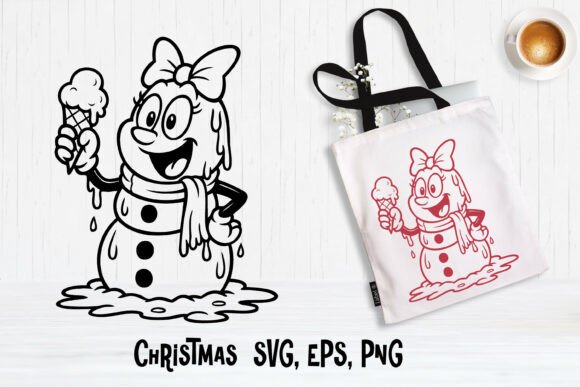
For the crafters and Cricut users in our audience, this design bundle offers substantial value. The SVG design files are particularly useful for cutting machines. I simulated a Cricut project by importing the vectors into design software. The paths were clean, requiring minimal node editing. This makes them ideal for creating intricate sticker design sheets, iron-on transfers for t-shirt design, or detailed decals for holiday ornaments. The simplicity of the shapes ensures that even complex pixel patterns cut cleanly from vinyl or cardstock.
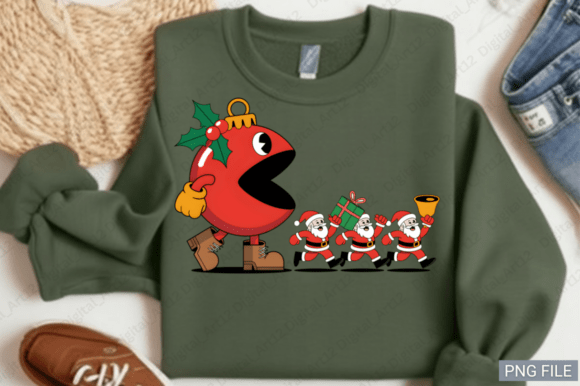
Print-on-demand sellers will find these assets equally compelling. When placed on product mockup templates for mugs, tote bags, and hoodies, the Vintage Gaming Christmas Design creates an instant emotional connection with the target audience. It taps into the "cozy gaming" trend, which has seen massive growth in recent years. By combining this aesthetic with high-quality sublimation design techniques, sellers can create products that feel personalized and curated rather than mass-produced. This is key for standing out in crowded marketplaces like Etsy.
Navigating Limitations and Visual Hierarchy
However, no design asset is without its constraints. While Vintage Gaming Christmas Design is robust, it must be used with intention. I would advise caution when using these illustrations in very small sizes, such as favicon icons or fine print details. The pixelated nature, while charming, can become muddy if scaled down too far without proper anti-aliasing adjustments. Additionally, these assets should be used carefully in crowded layouts. Because the style is visually dense, it competes for attention. Placing multiple pixel characters next to complex typography can disrupt the visual hierarchy, making the overall design feel chaotic.
For projects requiring a strictly corporate or minimalist aesthetic, this style may clash. It is not suitable for professional corporate materials where clean, sans-serif professionalism is paramount. Instead, it thrives in environments that allow for personality and whimsy. When pairing these illustrations with typography, I recommend experimenting with bold display fonts or clean sans serif fonts to balance the retro vibe. Avoid overly ornate script fonts, which can conflict with the geometric rigidity of pixel art. A handwritten font might work for a casual, friendly tone, but it requires careful spacing to ensure readability.
Essential Designer Checks Before Commercial Use
Before finalizing any client project with this commercial design asset, I follow a rigorous testing protocol. First, I always test the design in black and white. This reveals whether the contrast holds up without color reliance, which is vital for single-color printing methods like screen printing. Next, I check the contrast on both light and dark backgrounds. While the PNG transparency is generally reliable, some lighter pixel shades may disappear against white backgrounds, requiring a subtle drop shadow or outline.
File format inspection is non-negotiable. Ensure you are using the vector SVG for large-format prints like posters or banners to avoid pixelation. For digital ads and web design, optimize the PNGs to reduce load times without sacrificing quality. Finally, and most importantly, confirm the commercial license terms. As a professional, I never assume usage rights. Verify that the license covers your specific use case, whether it is for physical goods, digital downloads, or client work. This due diligence protects both you and your client from legal issues.
In conclusion, Vintage Gaming Christmas Design is a potent tool for designers targeting niche markets. It bridges the gap between retro nostalgia and modern holiday cheer. When used with an understanding of its strengths and limitations, it elevates small business branding and adds a unique flair to any creative marketplace listing. It is not just a clipart pack; it is a strategic element for building memorable, engaging visual narratives.