Santa with Christmas Tree Png: A Designer’s Review
As an embroidery designer who has spent countless hours digitizing and testing files, I approach every new asset with a critical eye. We are not just looking for pretty pictures; we are looking for stitchability, clarity, and commercial viability. When I first pulled up the Santa with Christmas Tree Png, my immediate thought was not about the holiday cheer, but about how those shapes would translate from pixel to thread. This review breaks down the practical reality of using this illustration in real-world embroidery projects, specifically for those of us running small shops or creating personalized gifts.
First Impressions and Visual Personality
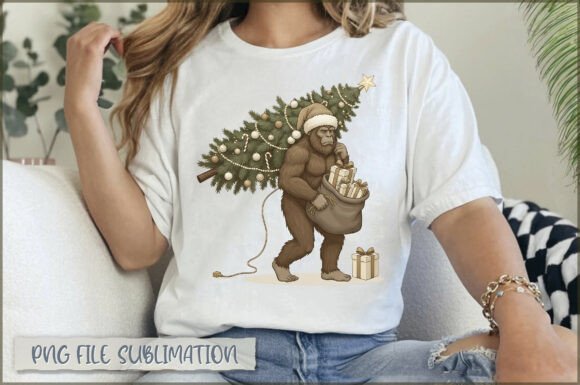
The initial mood of this design is warm and nostalgic. It captures the classic essence of the season without relying on overly complex gradients that often fail in stitching. The layout features Santa standing alongside a decorated tree, a composition that feels balanced rather than cluttered. For an embroidery project, balance is crucial. If one side is too heavy with detail while the other is sparse, the fabric can pucker, or the design may look lopsided after washing.
What stands out here is the clear definition between the subject and the background. In the world of Illustrations, this clarity is a gift. Many digital assets suffer from fuzzy edges or low contrast, which makes digitizing a nightmare. This image offers distinct lines that suggest where a satin stitch could define an outline or where a fill stitch would provide solid coverage. The visual personality is friendly and approachable, making it ideal for family-oriented products.
Real-World Application: The Holiday Tote Bag Test
To truly evaluate a design, you have to imagine it on a product. I visualized this specific asset applied to a canvas tote bag design. Canvas is a sturdy fabric that holds up well to dense stitching, making it a perfect candidate for this type of graphic. Imagine a customer walking into a boutique or browsing an Etsy seller’s shop during November. They see a neutral-colored tote with this cheerful Santa motif stitched in vibrant reds and greens.
The reaction is usually immediate emotional connection. However, from a production standpoint, I had to consider the scale. On a large tote, the details of the tree ornaments need to be simplified. If the original PNG is used as a reference for digitizing, one must ensure that tiny baubles do not become mere specks of thread. For a handmade product intended for daily use, durability is key. A design that looks good on screen but turns into a tangled mess of thread colors on fabric will lead to returns and bad reviews.
Apparel and Custom Gifts
Beyond bags, this design shines in custom apparel. Think of a high-quality cotton sweatshirt. Sweatshirt embroidery requires careful attention to stitch density. If the design is too dense, the garment becomes stiff and uncomfortable. If it is too light, the fabric shows through, ruining the visual impact. This particular illustration lends itself well to a mix of techniques. The tree could utilize a textured fill to mimic pine needles, while Santa’s suit might benefit from a smooth satin finish to represent velvet or wool.
For baby embroidery, such as on a onesie or a soft blanket, the approach changes. You would likely need to simplify the design further, removing intricate details to prevent irritation against sensitive skin. In this context, the design serves as a base for a softer, more minimal interpretation. It becomes a cherished personalized gift that parents keep for years, adding significant value to your craft business.
Technical Considerations for Stitching
Using a PNG as a reference for a machine embroidery design requires technical diligence. Since this is a raster image, it does not contain vector paths or stitch data. You must digitize it manually or use auto-digitizing software with caution. Here are the critical factors I evaluated:
- Fabric Texture: On textured fabrics like terry cloth or fleece, fine details get lost. This design works best on smooth cotton, poly-blends, or denim where the stitches can lay flat and crisp.
- Stabilizer Choice: Given the potential size of Santa and the tree, a cut-away stabilizer is recommended for stretchy fabrics like t-shirts to prevent distortion. For woven fabrics like aprons, a tear-away might suffice, but test first.
- Thread Contrast: The success of this design relies heavily on color choice. Ensure your reds are vibrant and your greens are deep. Poor quality thread will make the design look muddy, especially in the tree’s foliage.
- Hoop Size: Check your machine’s maximum hoop size. A full-body Santa with a tree may require a 5x7 or larger hoop. Trying to cram it into a 4x4 hoop will result in loss of detail and proportion.
Where to Use Caution
While versatile, this design is not universal. Avoid using it on curved surfaces like caps unless you significantly simplify the width. The broad stance of Santa and the spread of the tree branches can cause puckering on the curved front panel of a hat. Similarly, be cautious with dark fabrics if you are not using an underlay stitch properly. The bright colors of the illustration need a solid white or light underlay to pop against black or navy blue garments.
Also, consider the end-use. If this is for a kitchen towel that will be washed weekly, avoid long satin stitches that can snag. Opt for shorter, tighter stitches or even consider an applique design approach where fabric pieces are sewn down, reducing stitch count and increasing durability.
Commercial Viability and Brand Consistency
For commercial embroidery professionals, consistency is brand currency. Using a high-quality reference like Santa with Christmas Tree Png helps maintain a professional look across your small shop product line. Whether you are creating printable mockup images for your online store or producing physical design assets for clients, the clarity of the source image matters. It allows you to create accurate previews that set realistic expectations for buyers.
When selling finished items, remember that licensing is paramount. Since this is a PNG illustration, ensure you have the right to use it for commercial purposes before selling the finished product. If you are digitizing it yourself, you are creating a new digital embroidery file, but the underlying artwork rights must be clear. Always verify the license terms provided by the creator of the illustration.
Final Verdict for Makers
In conclusion, this illustration is a strong contender for holiday collections. It offers a classic theme with a layout that translates well to thread when handled with care. It is not a plug-and-play solution; it requires thoughtful digitizing, appropriate material selection, and testing. But for the embroidery project that aims to evoke warmth and tradition, it delivers. Test it on scrap fabric, adjust your tension, and watch how it transforms from a digital image into a tactile, beloved item. That is the true magic of our craft.