Review: Just a Jolly Goose Christmas Silly Goose
As an embroidery designer who has spent years digitizing and testing files for everything from high-end boutique apparel to quick-turnaround craft fair items, I approach every new machine embroidery design with a critical eye. It is not just about whether the image looks cute on a screen; it is about how the stitches lay down on fabric, how the tension holds up after washing, and whether the final finished product feels professional enough to sell. Recently, I pulled the Just a Jolly Goose Christmas Silly Goose file into my software to evaluate its potential for the upcoming holiday season. This piece falls under the category of Illustrations, which often presents unique challenges regarding stitch density and detail retention.
First Impressions and Visual Personality
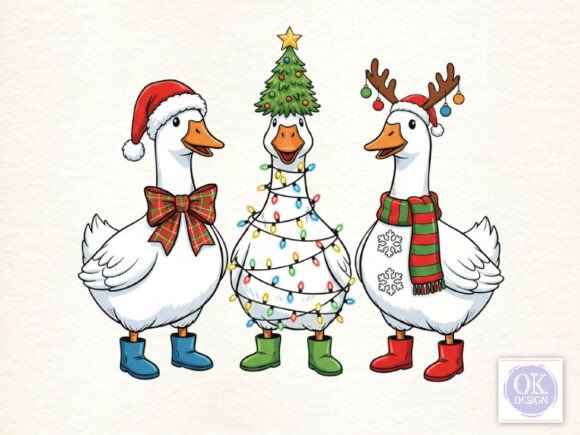
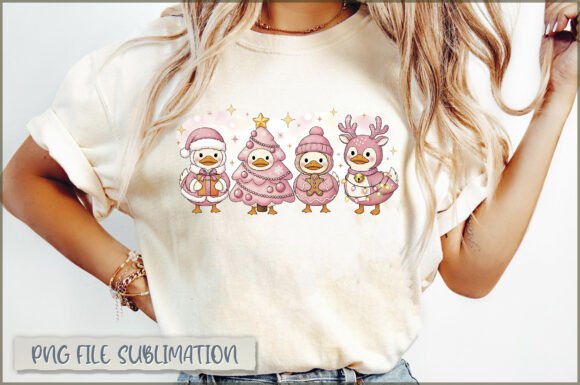
The first thing that strikes you about Just a Jolly Goose Christmas Silly Goose is its whimsical character. In a market saturated with traditional holly and rigid geometric snowflakes, this design offers a relaxed, humorous vibe that appeals to modern buyers. The layout suggests a playful narrative, likely featuring a goose in a festive context that balances charm with clarity. For embroidery designers, the mood is crucial. This design does not scream "formal luxury"; instead, it whispers "cozy comfort" and "family fun." This distinction dictates where it should be used. It is not suited for a corporate logo or a formal wedding monogram, but it is perfect for items meant to evoke warmth and laughter.
When evaluating the visual personality, I look at the balance between open spaces and filled areas. A good embroidery file avoids excessive density that can cause puckering, especially in illustrative styles where shading might be simulated through thread colors rather than dense fill stitch work. The silhouette of the goose appears distinct, which is vital for readability from a distance. If the details are too fine, they get lost in the texture of the fabric. If they are too bold, the design loses its charm. This piece seems to strike a middle ground, relying on clean lines and strategic color blocking.
Real-World Application: The Holiday Tote Test
To truly understand the value of a design, I mentally place it on specific products. Imagine preparing a custom order for a local boutique owner who wants a line of reusable shopping bags. She needs a tote bag design that stands out on canvas but does not weigh the bag down. Just a Jolly Goose Christmas Silly Goose fits this scenario perfectly. Canvas is a sturdy fabric that can handle moderate stitch density, providing a stable background for the illustration. The playful nature of the goose encourages impulse buys, making it an ideal small shop product for the holidays.
Consider another scenario: a personalized gift for a new parent. Baby items require softness and durability. If this design is scaled down appropriately, it could work beautifully on a muslin swaddle or a cotton onesie. However, this brings us to technical considerations. For baby embroidery, the hand feel is paramount. A design that is too stiff or dense will irritate sensitive skin. Therefore, if using this file for infant wear, one must carefully adjust the stitch density and use a soft, cut-away stabilizer to ensure the back of the embroidery remains smooth.
Technical Performance and Stitching Clarity
From a technical standpoint, illustrative designs often rely on a mix of satin stitch for outlines and text, and fill stitches for larger colored areas. In Just a Jolly Goose Christmas Silly Goose, the transition between these stitch types is critical. Poor digitizing can lead to gaps between the satin border and the fill, or unsightly jumps that require excessive trimming. As a reviewer, I advise checking the stitch path in your software before loading it onto the machine. Look for efficient travel moves that minimize thread waste and reduce the risk of bird nests.
The choice of thread colors will make or break this design. Because it is an illustration, it likely depends on contrast to define the goose’s features against the background. On a white towel, dark threads will pop, but on a navy sweatshirt, you might need brighter, contrasting hues to maintain visibility. I recommend creating a printable mockup or using digital preview tools to test different color combinations. This step saves time and thread, allowing you to present the best option to your client before stitching begins. It also helps in creating compelling design assets for your online store listings.
Where to Use It Carefully
While versatile, this design is not without limitations. Curved surfaces, such as caps or hats, require careful hooping and often a smaller version of the design to prevent distortion. The hoop size must match the design dimensions exactly; stretching a large illustration onto a small hoop can warp the goose’s shape, turning a jolly character into a distorted mess. Additionally, textured fabrics like fluffy towels or corduroy can swallow fine details. If the design includes tiny elements like eyes or beak details, they may disappear into the pile of a towel. In such cases, consider using an applique design technique, where fabric pieces are stitched down to create the shape, reducing stitch count and improving visibility on textured materials.
Dark fabrics present another challenge. If the design uses light colors, you must ensure adequate underlay stitching to prevent the fabric color from showing through. This is particularly important for sweatshirt embroidery, where fleece or heavy cotton blends are common. A lack of proper underlay can result in a muddy appearance, diminishing the professional look of the handmade product.
Commercial Viability and Brand Consistency
For Etsy sellers and craft business owners, consistency is key to building trust. Using a cohesive set of designs helps establish brand identity. Just a Jolly Goose Christmas Silly Goose fits well within a broader collection of whimsical holiday items. It appeals to customers looking for unique, non-traditional decor. When listing this item, highlight its versatility. Mention its suitability for custom apparel, kitchen linens, or even as an embroidered patch that can be ironed onto jackets. These keywords help potential buyers visualize the end use, increasing conversion rates.
However, always verify the licensing terms. Not all digital embroidery file purchases include commercial rights. Before selling finished items or using the design in client projects, confirm that you have the appropriate license. This protects your business from legal issues and ensures ethical practice within the creative community. For those creating commercial embroidery runs, consistency in stitch quality across multiple units is essential. Test the design on scrap fabric first to dial in tension and speed settings. This preliminary step ensures that every unit produced meets your quality standards, reinforcing customer trust and encouraging repeat business.
Final Designer Notes
In conclusion, Just a Jolly Goose Christmas Silly Goose is a strong contender for holiday projects that prioritize personality and charm. Its illustrative style offers a fresh alternative to standard motifs, appealing to a wide demographic of buyers. By paying attention to fabric choice, stabilizer type, and thread contrast, you can maximize its impact. Whether you are creating a one-of-a-kind personalized gift or stocking your online store with festive inventory, this design offers the flexibility and visual appeal needed for success. Remember to test, adjust, and verify licensing, and let the jolly spirit of the goose bring joy to your next embroidery project.