Coquette Christmas Frame Border Clipart Review
As a graphic designer who has spent the last decade refining brand identities for boutique clients, I approach every new graphic design asset with a healthy dose of skepticism. We have all been there: downloading a bundle that looks charming in the thumbnail but falls apart when placed against a complex background or scaled down for mobile viewing. However, upon reviewing the Coquette Christmas Frame Border Clipart, my initial reaction was one of genuine appreciation for its delicate balance between whimsy and structure. This is not just another holiday decoration; it is a curated set of Illustrations that speaks directly to the current design zeitgeist.
The Aesthetic Mood and Visual Language
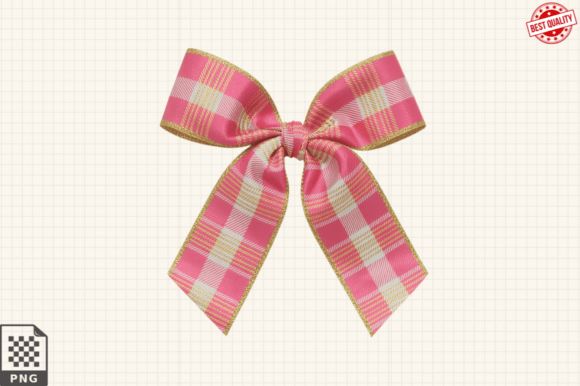
The first thing that strikes you about this collection is its adherence to the "coquette" aesthetic—a style characterized by hyper-femininity, softness, and a touch of vintage nostalgia. The frames are not rigid or industrial. Instead, they feature flowing ribbons, delicate bows, and organic curves that soften the edges of any layout. For a client project involving a handmade jewelry brand or a boutique bakery launching a seasonal gift box, this mood is invaluable. It creates an immediate emotional connection, evoking feelings of warmth, care, and exclusivity.
Unlike generic holiday clipart that often relies on heavy reds and greens, these borders tend to utilize softer palettes or clean line work that allows for versatile color integration. This makes them ideal for modern design approaches where subtlety is preferred over shouting. The visual language here is quiet confidence. It does not demand attention through volume but through elegance.
Real-World Application in Client Projects
When I consider where this asset fits into a real workflow, the possibilities extend far beyond simple greeting cards. For packaging design, these frames serve as perfect focal points on product labels. Imagine a small batch candle label where the frame encloses the scent name and weight. The border adds perceived value, making the product feel like a luxury item rather than a commodity. In brand identity work, using these elements in social media templates can create a cohesive look across Instagram posts and Pinterest pins, reinforcing brand recognition without needing a complete rebrand.
For those in the print-on-demand space, this clipart is a goldmine. It translates beautifully onto tote bags, mugs, and even apparel. When used in t-shirt design, the frame can act as a container for witty holiday quotes, ensuring the text remains legible while adding decorative flair. Similarly, for Etsy product creators, these assets can be incorporated into digital planners, printable wall art, or sticker sheets. The key is versatility. Because the designs are likely provided in high-resolution PNG design formats with transparent backgrounds, they drop seamlessly into Canva templates or Adobe Illustrator files without tedious background removal.
Strategic Placement and Visual Hierarchy
Understanding visual hierarchy is crucial when working with decorative elements. These frames work best as hero graphics or structural anchors in large layout areas. They define space. However, they must be used carefully. In crowded layouts, a detailed bow or ribbon can compete with essential information. I recommend using these borders to frame negative space, allowing the eye to rest before moving to the call-to-action. They are less effective in minimalist corporate materials where clean lines and sans-serif typography dominate. Here, the ornate nature of the coquette style might clash with the brand’s professional tone.
For marketing visuals such as flyers or event invitations, these borders guide the reader’s eye toward the center. But beware of low-contrast designs. If the frame is light and the background is also light, readability suffers. Always test contrast on both light and dark backgrounds. A white ribbon on a pale pink background may look dreamy on screen but disappear in print.
Technical Considerations for Designers
Before integrating this digital product into a client deliverable, there are practical steps to take. First, inspect the file formats. If the bundle includes SVG design files, you have the advantage of scalability without quality loss, which is critical for large format prints like banners. If you are working with PNGs, check the resolution. For sublimation design or high-quality printing, ensure the DPI is sufficient (usually 300 DPI) to prevent pixelation.
Typography pairing is another critical factor. These frames pair exceptionally well with script fonts and handwritten font styles, enhancing the romantic vibe. However, for clarity, balance them with a clean serif font or a modern sans-serif font for body text. Avoid overly decorative display fonts inside the frame, as this can create visual clutter. Test the asset in black and white first. If the details hold up in monochrome, the design has strong structural integrity. If it becomes a muddy blob, it may be too complex for small-scale applications like business cards or favicon icons.
Licensing and Commercial Viability
Finally, always confirm the commercial license terms. As designers, we are responsible for ensuring our clients do not face legal issues. Most reputable creative marketplace vendors allow use in end-products like printed goods or digital downloads, but restrictions may apply to reselling the raw files. Ensure your usage aligns with the provider’s terms, especially if you are creating a design bundle for resale or using it in a Cricut project intended for commercial sale.
In conclusion, the Coquette Christmas Frame Border Clipart is a robust tool for designers looking to add a layer of sophistication and seasonal charm to their work. It bridges the gap between playful and professional, making it suitable for a wide range of industries from small business branding to editorial design. By respecting its strengths in framing and mood-setting, and being mindful of its limitations in complex layouts, you can elevate your creative design projects with confidence. It is not just an illustration; it is a strategic element that enhances brand perception and audience engagement.